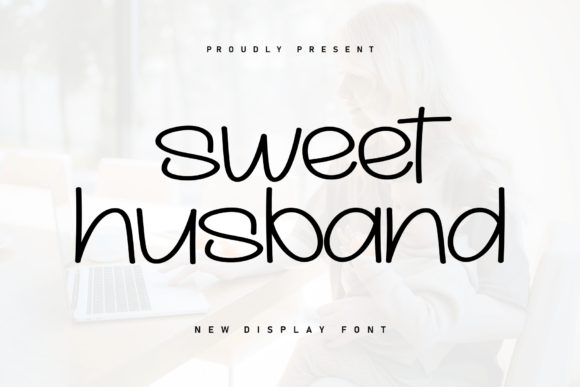
Sweet Husband: A Handwritten Font That Brings Warmth to Digital Design
In the world of typography, fonts often serve as silent storytellers, conveying tone, emotion, and personality without a single word spoken. Among the many typefaces available, Sweet Husband stands out as a unique handwritten font that brings a sense of warmth and charm to any design project. Its fluid, organic strokes and playful character set it apart from more rigid or formal fonts, making it an ideal choice for those seeking to infuse their work with a personal touch.
The visual appeal of Sweet Husband lies in its natural, almost spontaneous feel. Each letter appears as though it was written by hand, with subtle variations in weight and spacing that mimic human handwriting. This gives the font a sense of authenticity and approachability, which can be particularly valuable in branding, marketing, and creative projects where a personal connection is key.
Characteristics That Define Sweet Husband
One of the most distinctive features of Sweet Husband is its dynamic baseline. Unlike many fonts that maintain a strict horizontal alignment, this typeface allows characters to dance along the baseline, creating a sense of movement and rhythm. This characteristic not only adds visual interest but also makes the text appear more lively and engaging.
The font’s design is also notable for its soft curves and gentle transitions between letters. These elements contribute to a relaxed and inviting aesthetic, making Sweet Husband well-suited for projects that aim to evoke feelings of comfort, nostalgia, or intimacy. Whether used in a logo, a social media post, or a website header, the font has the ability to draw attention while maintaining a sense of elegance.
Another advantage of Sweet Husband is its versatility. While it may seem like a font best suited for casual or artistic applications, it can also be adapted for more formal contexts with careful design choices. For example, pairing it with a clean sans-serif font can create a balanced contrast that highlights the uniqueness of the handwritten style without overwhelming the overall composition.
Practical Applications of Sweet Husband
The adaptability of Sweet Husband makes it a valuable tool across various industries and use cases. In the realm of graphic design, the font is frequently used in packaging, posters, and promotional materials where a personal, handcrafted look is desired. Its ability to convey warmth and individuality makes it a popular choice for small businesses, independent artists, and brands aiming to establish a distinct identity.
In the digital space, Sweet Husband can enhance user experience by adding a human element to interfaces and content. For instance, when used in blog headings or call-to-action buttons, it can make the text feel more relatable and trustworthy. This is especially useful in sectors such as education, wellness, and lifestyle, where building a connection with the audience is crucial.
For educators and content creators, Sweet Husband offers a way to make learning materials more engaging. Incorporating the font into lesson plans, worksheets, or online courses can help break up dense blocks of text and make information more digestible. Its friendly appearance can also encourage a more positive and open mindset among students or readers.
Considerations When Using Sweet Husband
While Sweet Husband has many appealing qualities, it is important to consider its limitations and appropriate use cases. The font’s informal nature may not be suitable for all types of content, particularly in professional or high-stakes environments. In such situations, a more structured or modern font might be a better fit to maintain a sense of authority and clarity.
Additionally, the readability of Sweet Husband can vary depending on the size and context in which it is used. When designing with this font, it is advisable to test different point sizes and line spacing to ensure that the text remains legible, especially in longer paragraphs or on smaller screens. Pairing it with a complementary font can also help improve overall readability without sacrificing its unique character.
Another consideration is the availability of the font. Sweet Husband may not be included in every design software or platform, so users should verify compatibility before incorporating it into their projects. Some platforms may require purchasing a license or using a specific file format, which could impact workflow and budget considerations.
How Sweet Husband Stands Out in the Market
In a market saturated with countless font options, Sweet Husband distinguishes itself through its emotional resonance and aesthetic appeal. While many fonts are designed with functionality in mind, Sweet Husband prioritizes the feeling it evokes, making it a go-to choice for designers looking to add a touch of personality to their work.
This font also aligns with current design trends that emphasize authenticity and imperfection. As more people seek out unique and expressive visual elements, Sweet Husband provides a way to achieve that without compromising on quality or usability. Its ability to blend creativity with practicality makes it a standout option for a wide range of projects.
Furthermore, Sweet Husband can be a powerful tool for storytelling. Whether used in a brand’s visual identity, a book cover, or a personal portfolio, the font helps communicate a narrative that feels genuine and heartfelt. This makes it particularly effective in industries where emotional connection plays a significant role, such as fashion, food, and entertainment.
Conclusion
Sweet Husband is more than just a font—it is a design element that can transform the way messages are communicated. With its warm, handwritten style and dynamic baseline, it offers a fresh and inviting alternative to traditional typography. By understanding its characteristics, applications, and considerations, designers and creators can harness its potential to enhance their work in meaningful ways.